
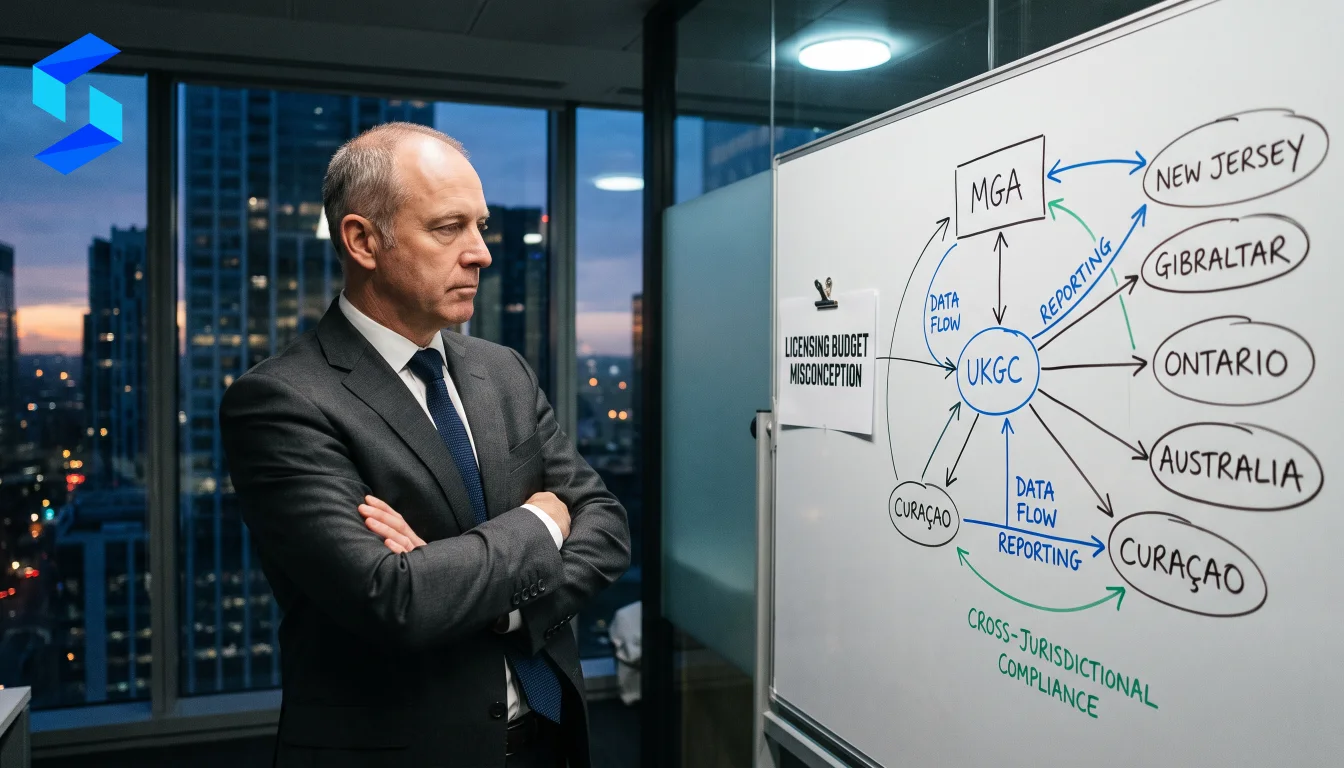
Most casino operators enter the market expecting to secure two or three iGaming licenses to cover their operations, but the vast majority do not actually need more than one, according to Felipe Reinner, Business Development Manager at My Gaming License.
Reinner says his team fields the same question repeatedly: how many licenses does a casino actually need to cover multiple products, brands, and domains? The answer surprises most operators who have already budgeted for multiple jurisdictions.
Single License Covers Multiple Verticals
A single Nevis license, for example, covers casino, poker, sports betting, and lottery products under one fee structure. This contradicts the common assumption that each vertical requires separate regulatory approval and associated costs.
The licensing structure also accommodates multiple brands and domains more affordably than operators typically anticipate. While two domains are included in the standard fee, additional domains cost less than most budget projections account for.
When a Second License Actually Makes Sense
The real trigger for requiring a second license is not product expansion or brand proliferation. According to Reinner, the dividing line is business model: operators need to consider a second license when they split B2B offerings from their B2C casino operations.
Reinner cited one client who arrived prepared to pay for two licenses based on their initial assessment of their operational needs, illustrating how widespread the misconception is even among operators who have done preliminary research.
Industry Implications for Operator Budgets
The licensing cost miscalculation has broader implications for operator financial planning and market entry strategies. Operators who overestimate their licensing requirements may be allocating capital inefficiently, directing funds toward unnecessary regulatory costs rather than product development, marketing, or other growth initiatives.
For newer entrants especially, understanding the actual scope of a single license could lower barriers to entry and accelerate time to market. The difference between budgeting for one license versus three represents a significant capital allocation decision in the early stages of operation.
The clarification also highlights the importance of consulting with licensing specialists before finalizing jurisdiction selection and budget allocation. Different jurisdictions offer varying levels of product and brand coverage under single licenses, and operators who rely on assumptions rather than expert guidance risk both overspending and potential compliance gaps.
As the iGaming market continues to mature and operators seek efficiency gains across all operational areas, licensing strategy represents one area where expert guidance can deliver immediate cost savings without compromising regulatory compliance or market access.