

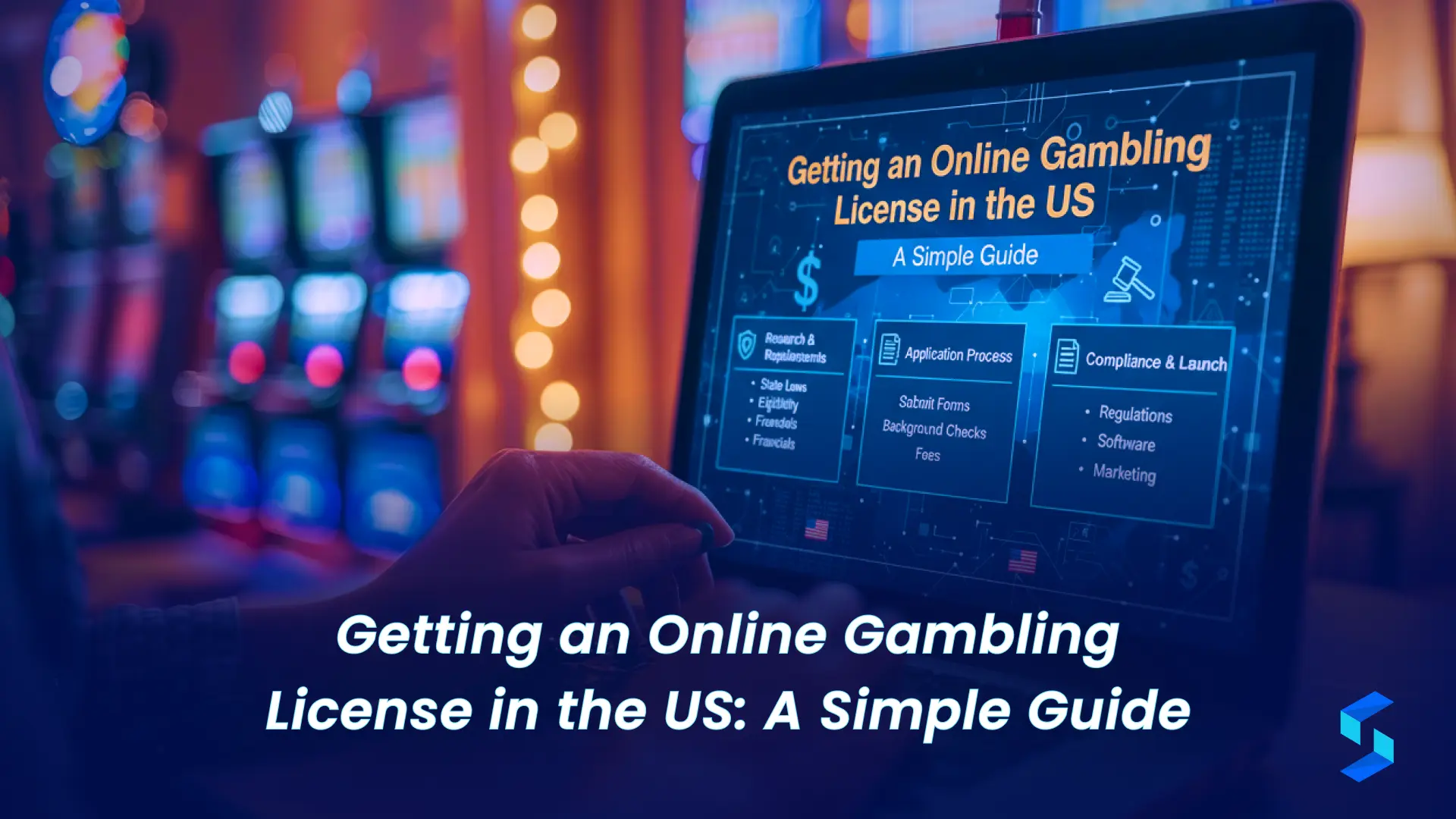
With approximately 57 million gamblers, the casino scene in the U.S. is actively growing. So much so that the market is projected to grow from roughly $14 billion in 2023 to nearly $40 billion by 2029, reflecting a compound annual growth rate of 7.56%.
With such rapid growth, there are plenty of opportunities to enter this space. But, to get started, you’ll need to understand the process of securing an online gambling license, which can be a bit tricky due to varying state laws. This guide will walk you through everything you need to know to understand the licensing process and launch your platform successfully.
Understanding State Regulations
In the U.S., online gambling is regulated at the state level, meaning each state has its own set of laws and regulatory bodies. The legalization of online gambling gained momentum after the repeal of PASPA in 2018, giving states the power to regulate the industry.
Your first move should be to decide which state you want to operate in and research its specific laws.
Each state has its own regulatory authority overseeing online gambling operations. For example, New Jersey’s Division of Gaming Enforcement regulates online gambling within its jurisdiction.
Choosing the Right Jurisdiction
Selecting the appropriate state for your online gambling operation involves evaluating factors such as market size, tax rates, licensing fees, and regulatory requirements. For example:
| State | Tax Rate |
|---|---|
| Pennsylvania | Imposes a 54% tax on online slot revenues, which is relatively high |
| West Virginia | Has a more moderate tax rate of 15% on online casino revenue |
Understanding these financial obligations is important for making informed decisions about where to establish your operations.
Preparing Your Application
A well-prepared application is critical for approval. Key components include:
| Component | Description |
|---|---|
| Business Plan | Outline your operational strategy, target market, game offerings, and financial projections |
| Financial Documentation | Provide evidence of financial stability, including audited financial statements and proof of sufficient capital |
| Background Checks | All key personnel must undergo thorough background investigations to assess integrity and suitability |
| Technical Compliance | Demonstrate that your platform meets security standards, ensures fair play, and incorporates responsible gaming measures |
Submit the Application and Fees
Be prepared for various fees associated with the application and licensing process, which can include application fees, licensing fees, and ongoing regulatory fees.
New Jersey
| Fee Type | Amount |
|---|---|
| Application Fee | $100,000, which can be applied toward the $400,000 licensing fee upon approval |
| Renewal Fee | $250,000 annually |
| Submission Process | Applications are submitted to the DGE. You can find the detailed forms and their detailed instructions on the DGE website |
Pennsylvania
| Fee Type | Amount |
|---|---|
| Slot Games Application Fee | $4 million |
| Table Games Application Fee | $4 million |
| Poker Application Fee | $4 million |
| All Three Verticals (Simultaneous) | $12 million |
| Renewal Fee | $250,000 every five years |
| Submission Process | Applications are submitted to the PGCB. Forms and guidelines are available on the PGCB website |
Maintaining Compliance
After obtaining a license, ongoing compliance with state regulations is essential. This includes regular audits, adherence to responsible gambling practices, and timely reporting of financial and operational activities. Non-compliance can lead to substantial fines or revocation of your license, jeopardizing your business operations.
Considering Offshore Licensing
While some operators explore obtaining licenses from offshore jurisdictions like Curacao or Malta due to lower costs and quicker approval processes, it’s important to note that U.S. states do not recognize these licenses. Operating in the U.S. market with an offshore permit can lead to legal challenges and potential shutdowns. Therefore, securing a state-issued license is advisable for legal operation within the U.S.
Summing Up
Securing an online gambling license in the U.S. is a multifaceted process that demands thorough research, meticulous planning, and strict adherence to state-specific regulations. By understanding the legal landscape, choosing the right jurisdiction, preparing a comprehensive application, and maintaining ongoing compliance, you can establish a successful and legally compliant online gambling operation.
If you’re looking for expert guidance or assistance with your online gambling platform’s development and licensing process, Source Code Lab is here to help. With years of experience in building secure, scalable solutions, Source Code Lab can ensure your platform meets all technical and regulatory requirements.
Ready to Start Your Journey Towards Success?
Get in touch with us today at Source Code Lab.