
China-Linked Payin and Payout Routing
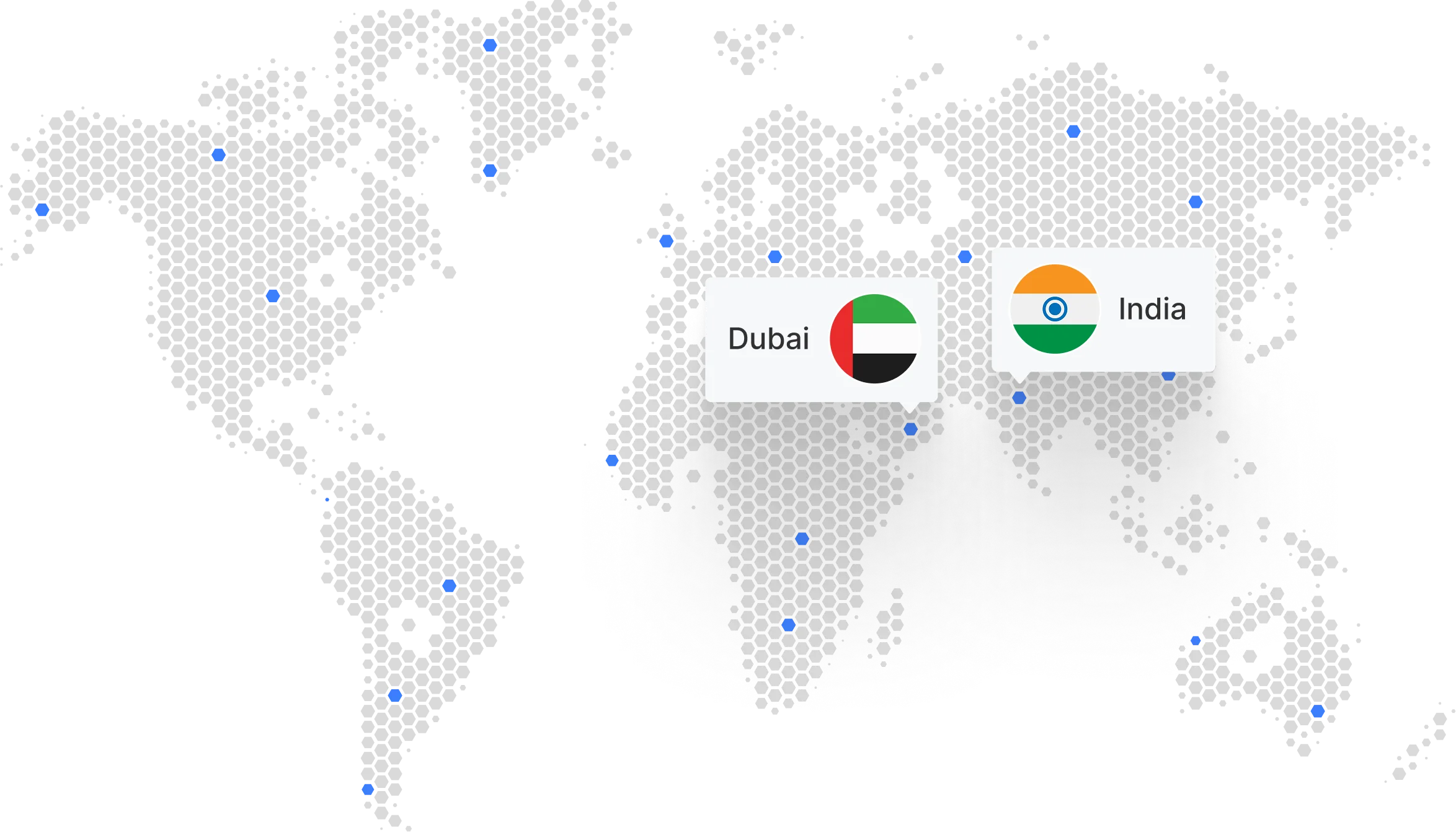
A YouTube video from PG Expert India walks through a payment gateway provider offering payin, payout and API integration, with China-linked routing as its focus. We can’t verify the provider’s claims, so treat it as a prompt to look at the model rather than as a recommendation.
The pitch is familiar: one API for deposits, another for withdrawals, and routing through partners in a specific region. For an iGaming payment gateway, that routing decides which methods players see, how fast money settles and who sits between you and the acquirer.
Impact on iGaming Operators
Payin and payout are separate risk surfaces. Deposits drive conversion, while withdrawals drive trust and support load. A gateway that is quick on payin but slow or opaque on payout will show up in your player complaints first.
Routing through intermediaries also adds questions about licensing, fund flow and who holds your balances. Those questions matter more than the integration demo. If you are also weighing newer rails, our notes on pay-by-bank in the cashier and stablecoins in the cashier cover the same vetting logic.
Checks Before Signing a Gateway
- Licensing and entity: ask who the contracting entity is, where it is regulated and whether it accepts gambling merchants in writing.
- Settlement speed: get payin settlement times and payout turnaround per method, in the contract rather than a sales deck.
- Fund flow: map where player money sits at each step and who can freeze it.
- API quality: test sandbox coverage, webhooks, retries and reconciliation reports for both payin and payout.
- Exit terms: confirm you can add a second gateway and leave without losing transaction history.
- Market fit: check that your target markets and regulators accept the routing.
For a fuller framework, see our guide to choosing a payment solutions provider for iGaming. Run a small pilot, compare approval and payout times against your current setup, and keep a fallback provider live before scaling traffic.