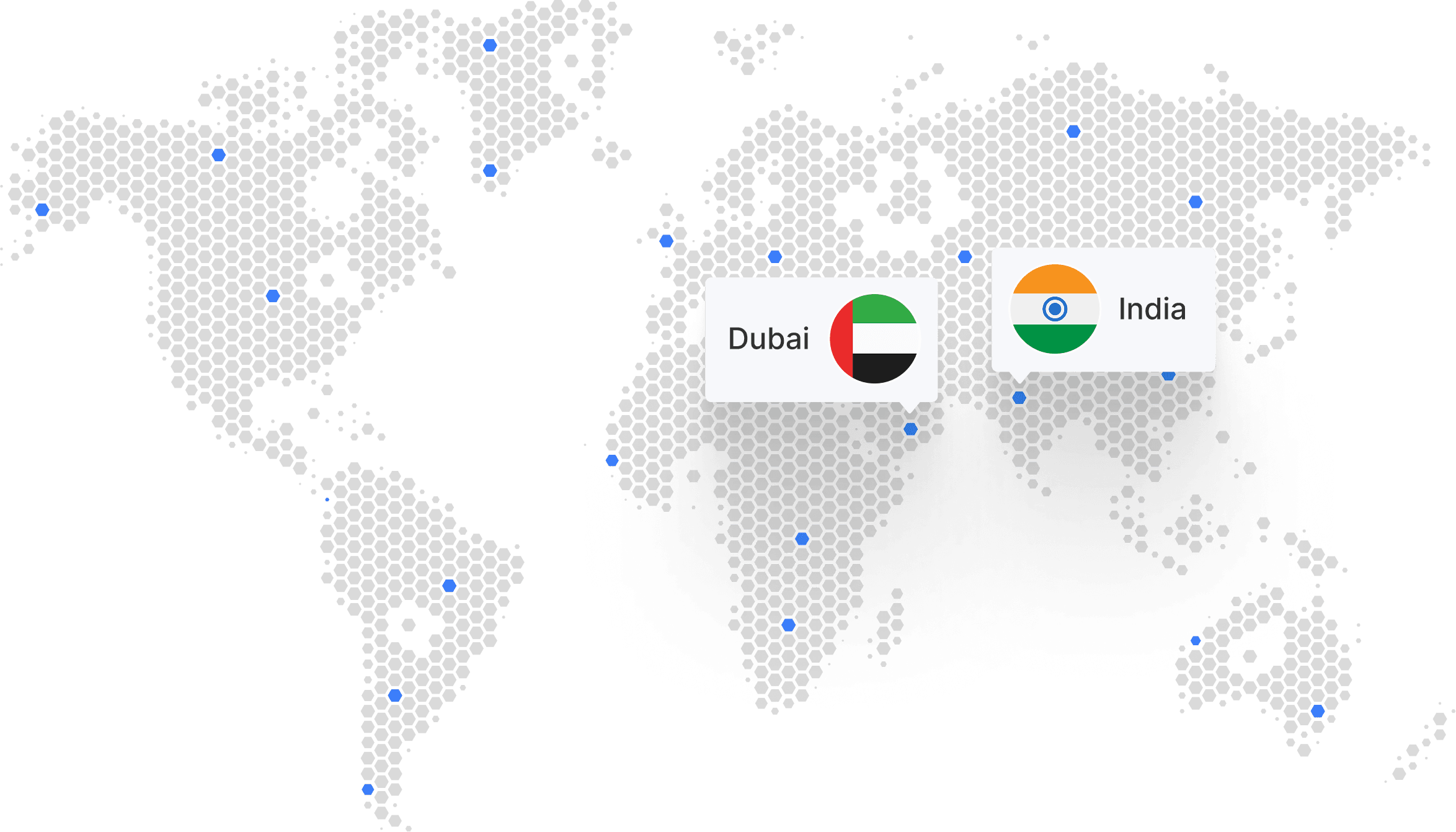



Most operators who enter a second market do it wrong — same product, different flag. They translate the interface, add one local payment method, and redirect marketing spend toward the new geography. Then they discover that conversion rates are 40% lower and 90-day retention is half what it is at home. The problem is not the market — it is the assumption that a product built for one demographic, one regulatory context, and one payment infrastructure translates automatically to another.
The global iGaming market size and revenue data should drive your market prioritisation. Not which market looks interesting, but which market has the highest revenue trajectory relative to your entry cost and competitive position.
The Market Sequencing Decision
Operators entering multiple markets simultaneously divide capital and management attention in ways that typically result in underperformance everywhere. The consistently successful approach is sequential: establish profitability in Market 1, extract learnings, then enter Market 2 with a better-equipped operation.
Market Prioritisation Criteria
- Regulatory accessibility: How quickly and at what cost can you be licensed? A market requiring 18 months and £500K to enter needs a compelling revenue case to justify the delay.
- Market size relative to competition: A medium-sized market with 5 operators is often more attractive than a large market with 50. Calculate your realistic market share, not the total addressable revenue.
- Platform adaptation cost: Markets with similar game preferences, payment infrastructure, and language to your existing market cost 30–40% less to enter than markets requiring complete localisation from scratch.
- Operational overhead: Regulated markets requiring local customer support, local compliance staff, and local payment processing have higher ongoing costs than lightly regulated markets.
What Changes Per Market
| Component | What Changes | Effort |
|---|---|---|
| Language | Full interface, terms, support, notifications | High |
| Sports and game content | Market-specific sports, local game formats | Medium-High |
| Payment methods | Local e-wallets, bank transfers, required providers | High |
| Responsible gambling | Jurisdiction-specific tools, self-exclusion registries | High |
| Bonus structure | Local welcome bonus norms, wagering requirements | Medium |
| Odds format | Decimal vs fractional vs Asian vs American | Low-Medium |
| Tax structure | GGR tax treatment varies significantly by jurisdiction | High (legal) |
For the Asia-Pacific expansion specifically, Asia-Pacific iGaming market intelligence 2026 covers the market-by-market data for the highest-growth region globally. Understanding iGaming provides foundational context on how different markets have distinct player characteristics and regulatory requirements that affect every expansion decision.
Architecture for Multi-Market Scale
A platform that serves multiple markets efficiently has these properties: a single codebase with market-specific configuration layers (not separate forks), a CMS supporting localisation without developer involvement, API-first integration for market-specific payment providers, and a centralised PAM supporting per-market KYC thresholds, deposit limits, and responsible gambling rules.
What does not scale: separate codebases per market, regulatory rules embedded in application code rather than configuration, or a platform requiring a new development engagement to add a payment provider.
Building a multi-market iGaming platform?
Source Code Lab builds platforms with multi-jurisdiction architecture — configurable per-market localisation, payment rails, and regulatory rules from a single owned codebase.